A cocktail shaker mixes a drink with ice, chilling and diluting the ingredients while introducing air. It is especially useful when a recipe needs citrus juice, syrup or other ingredients brought together quickly. The right shaker is the one you can seal, hold and open confidently.
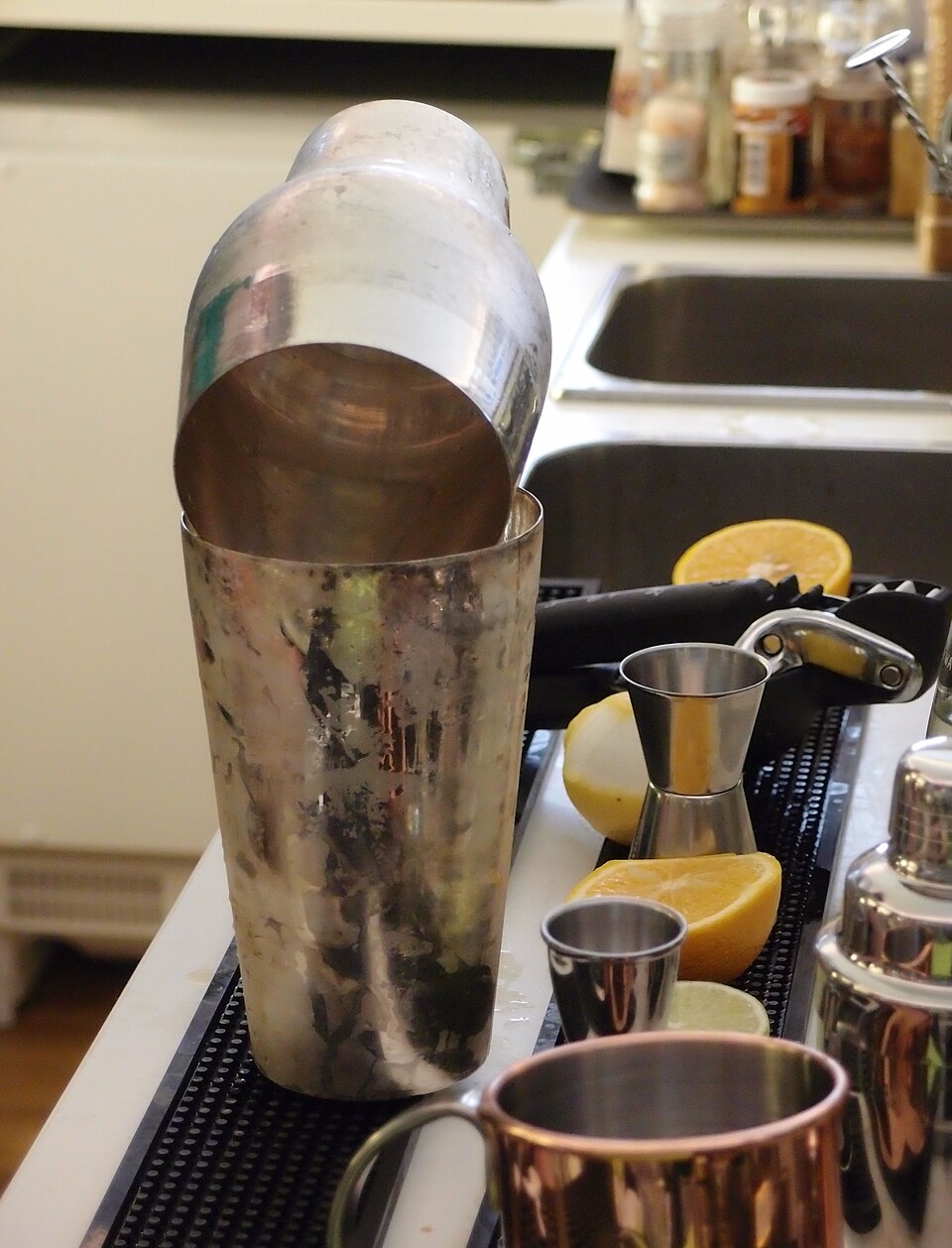
The three main styles
| Style | Construction | What to consider |
|---|---|---|
| Boston | Two vessels, usually two metal tins or a tin and purpose-made mixing glass | Requires a separate strainer and some practice opening |
| Cobbler | Body, built-in strainer and cap | Convenient for a compact kit; smaller openings can be slower to clean |
| French | Two metal pieces with a shaped top | Requires a separate strainer; check the seal and grip |
What to check before choosing
Choose a capacity that leaves room for ice and movement, rather than judging by the amount of liquid the empty vessel holds. If you usually make one drink, a very large shaker can be awkward. If you make two, check the manufacturer’s stated working capacity.
Look for smooth rims, a comfortable grip and a seal that releases without excessive force. Plain stainless steel is a practical starting point. Decorative finishes can have different care requirements, so read the instructions for the exact model.
Using a shaker well
Measure ingredients first, add ice when you are ready to shake and hold both parts securely. Point the opening away from faces. Never shake carbonated ingredients in a sealed shaker; add them after straining. A purpose-made metal pair avoids the breakage risk of glass during shaking.
After use, separate the pieces, wash them and let them dry before storage. A tight or stuck seal is a reason to improve technique or check the fit, rather than strike the vessel against a hard surface.
Where to go next
Compare Boston and Cobbler shakers, then follow how to shake a cocktail.
Compare a complete kit
Place your shaker choice in context with the best bar tools for beginners or the home-bar buying shortlist. Both explain how a shaker works alongside the rest of the equipment.
Frequently asked questions
Which shaker should a beginner choose?
Choose a manageable Boston pair with a compatible strainer, or a Cobbler if you prefer an integrated straining lid. Practise the seal with water first.
Can I shake sparkling ingredients?
Do not put carbonated ingredients in a closed shaker. Mix the other ingredients first, then add the sparkling component after straining.
Does shaker capacity equal serving capacity?
No. The stated capacity includes space that must also accommodate ice and movement. Compare usable working capacity for your usual recipes.
How should I store a shaker?
Wash and dry every piece, then store the parts separately or loosely nested so moisture is not trapped.