A mixing glass holds ingredients and ice while you stir. Its job is simple: provide enough room for the spoon to move, stay stable on the counter and pour neatly through a compatible strainer. A heavy patterned glass can be attractive, but decoration is optional.
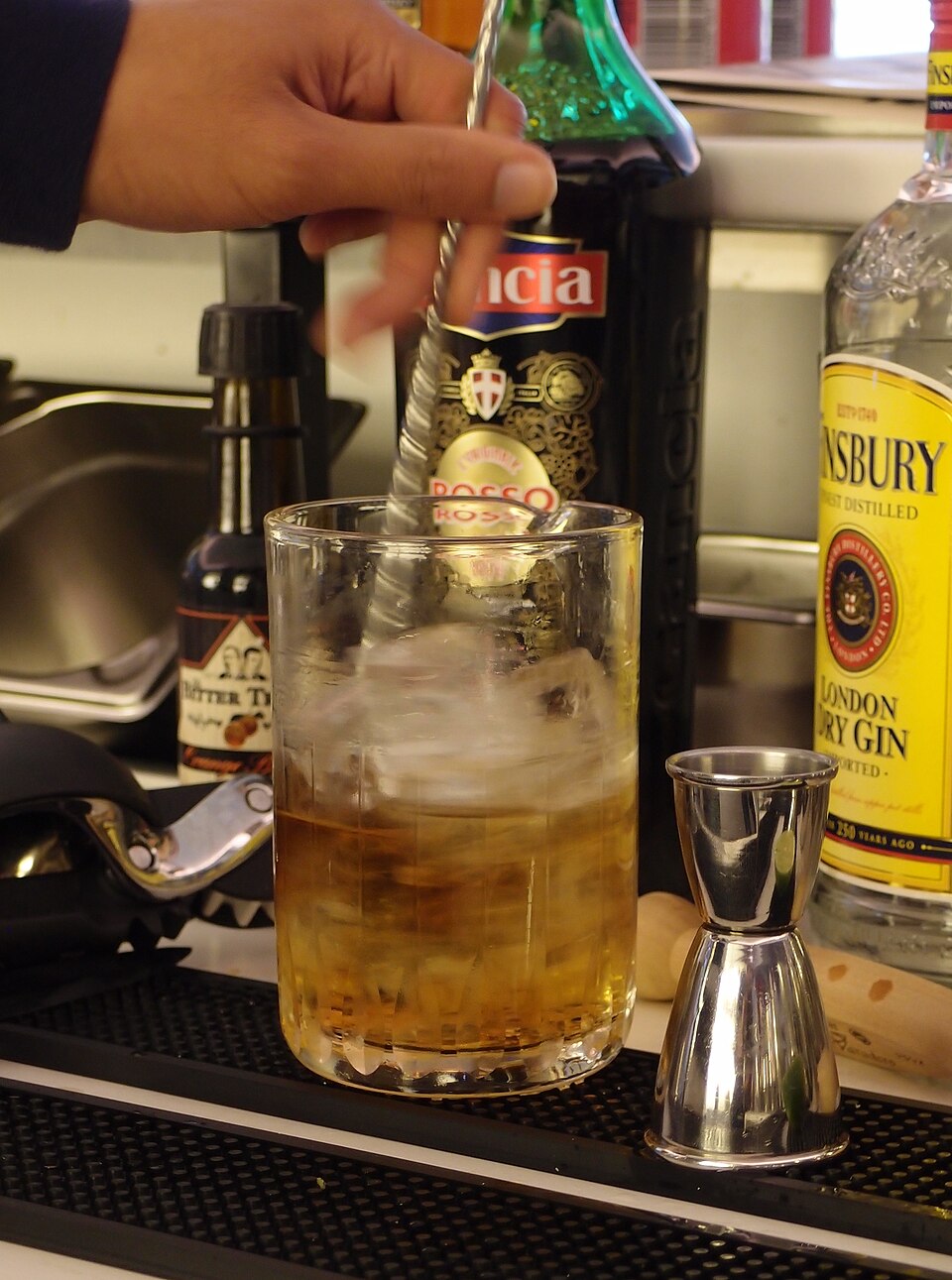
Capacity and working space
Nominal capacity measures the empty vessel. Usable capacity is smaller once you add ice and leave space for movement. Choose for the number and size of drinks you usually prepare. Avoid filling to the rim and hoping the ice will stay inside.
Glass or metal?
Glass lets you see the ingredients, ice and liquid level. It can also break or chip. A metal stirring vessel avoids glass breakage and is often easier to carry, although you cannot inspect the mixture through the sides.
Neither material removes the need to check the finished drink. Starting temperature, ice condition and the quantity being mixed all affect the result. A thicker wall is not a guarantee of better chilling or better drinks.
Features worth checking
- A flat base that does not rock.
- A rim and spout that pour without excessive dribbling.
- A shape your strainer fits securely.
- Enough internal width for your spoon and ice.
- Clear washing and temperature-care instructions.
Care and storage
Inspect glass rims before use. Remove chipped or cracked glassware from service. Avoid sudden temperature changes unless the manufacturer explicitly permits them; a mixing glass is not automatically heat-resistant laboratory glass.
Store the vessel where metal tools cannot strike the rim. If you only make stirred drinks occasionally, a suitable shaker tin can serve as a stirring vessel. Learn the stirring method before deciding whether a dedicated glass will improve your routine.
Plan the space around the glass
A mixing vessel needs a suitable spoon, strainer and dry storage area. Our practical home-bar tool picks cover that wider setup; the barware brand guide helps compare different product ranges.
Frequently asked questions
Do I need a dedicated mixing glass?
Not for occasional stirring. A suitable shaker tin can work, provided it is stable, has enough space and fits your strainer.
Is a heavier mixing glass always better?
No. Weight can help stability, but also changes handling and thermal behaviour. Consider the base, spout, capacity and your grip together.
Can I use hot water in a mixing glass?
Only if the manufacturer permits it. A cocktail mixing glass is not automatically heat-resistant laboratory glass.
Which strainer should I pair with it?
Choose a Julep or compatible Hawthorne that rests securely and lets you pour without shifting or losing control.