Ice tools help you make, store and handle ice consistently. For most home bars, a useful tray and a clean scoop do more everyday work than a collection of carving tools. Choose equipment around the glassware and drink styles you actually use.
Start with the basics
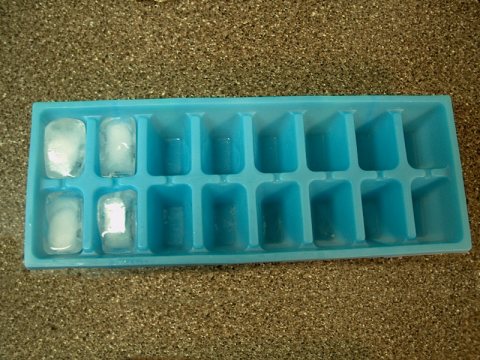
- Trays that fit your freezer and release cubes without excessive force.
- A covered, food-safe container for stored ice.
- A scoop for transferring cubes without putting a drinking glass into the ice.
- Tongs that grip the ice sizes you serve.
Match the ice to the task
Regular cubes are a flexible starting point for shaking and stirring. A larger piece may suit a serving glass if it fits comfortably. Crushed ice suits some drink styles, but melts and behaves differently from large cubes. Ice size alone does not determine dilution; starting temperature and handling also matter.
Clear ice and specialist equipment
Directional-freezing systems can help produce clearer ice by controlling where freezing begins. They take freezer space and do not remove every source of cloudiness. Buy one because presentation matters to your routine, not because clear ice is essential to a balanced drink.
Picks, knives and saws require a controlled work area and appropriate training. They are optional for a beginner. A purpose-made tray is a simpler way to get a consistent serving shape.
Keep ice handling separate
Use a dedicated scoop and store it cleanly outside the ice supply. Never use glassware as a scoop. If glass breaks near an ice container, stop and replace the affected ice rather than trying to retrieve only the visible fragments.
Keep stored ice covered to limit exposure to freezer odours. See cocktail ice basics and home bar organisation for a practical setup.
Frequently asked questions
What ice tools should I buy first?
Start with a useful tray, covered food-safe storage and a dedicated scoop. Specialist carving equipment can wait.
Can I scoop ice with a drinking glass?
No. Use a dedicated scoop. A broken or chipped glass can contaminate the ice supply with fragments that are difficult to see.
Do I need a clear-ice system?
Only if the presentation benefit justifies the freezer space and preparation. Clear ice is not required to learn consistent measuring and mixing.
Where should I keep an ice scoop?
In a clean, dry resting place outside the ice supply. Keep the handle and working surface protected from contamination.