BUYING SHORTLIST · 10 PRODUCTS
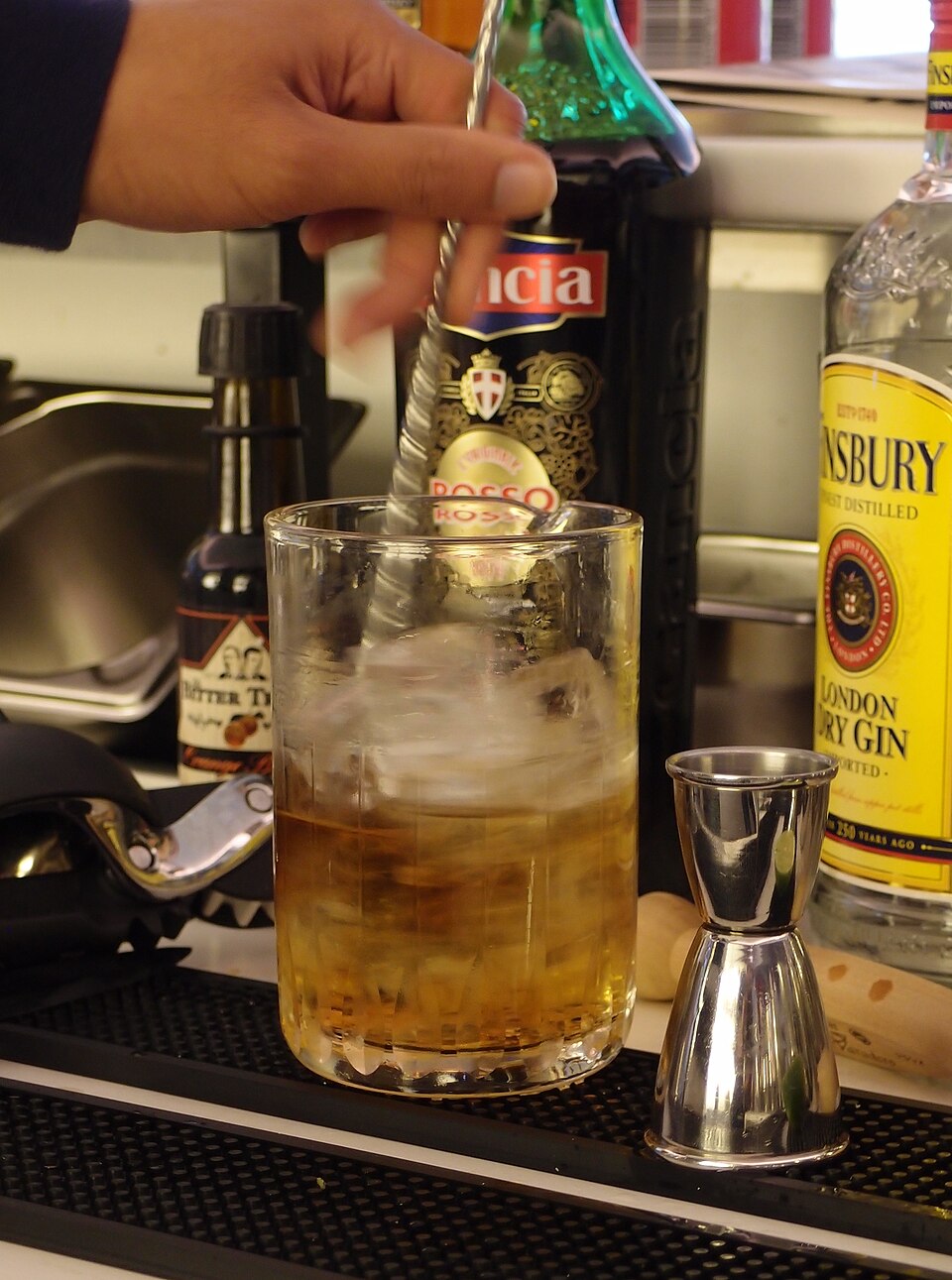
A good bar spoon reaches the bottom of the vessel without forcing your fingers down against the rim. We put a moderate-length spoon first and treat longer and differently handled options as alternatives. Handle comfort is personal, so use the shortlist to compare formats.
Compare the ten picks
| Product | Why consider it | Main trade-off |
|---|---|---|
| Cocktail Kingdom Teardrop Barspoon, stainless 30 cm | First choice for an ordinary mixing setup | Measure your actual vessel. A spoon can be unnecessarily long for shallow glasses or short storage drawers. |
| A Bar Above Standard Bar Spoon | Best alternative for handle preference | Choose the precise length and handle version. A product-family name does not identify every variant. |
| Barfly Classic Bar Spoon | For a conventional spoon format | Check the exact model length against your mixing vessel and storage space. |
| Piña Totem Cocktail Spoon | For a configurable spoon family | Attachments and colour variants are not separate essential purchases. |
| Barfly Japanese-Style Bar Spoon, 33.5 cm | For a longer conventional reach | Measure your vessel and drawer before selecting a longer tool. |
| Barfly Fork-End Bar Spoon | For a spoon with a small fork | Keep both working ends clean; a small fork does not replace preparation tweezers. |
| Barfly Muddler-End Bar Spoon | For light pressing alongside stirring | Use a dedicated muddler for tasks requiring substantial pressure or a broad head. |
| Barfly Strainer-End Bar Spoon | For a specialist dual-purpose spoon | It is not a substitute for a fitted primary cocktail strainer. |
| Barfly Measured-End Bar Spoon | For checking a small spoon measure | Use a graduated measure when a recipe requires a precise liquid quantity. |
| Barfly Angled Bar Spoon | For a different shaft geometry | A different angle can require practice and more storage clearance. |
The products in detail
PICK 01 · First choice for an ordinary mixing setup
Cocktail Kingdom Teardrop Barspoon, stainless 30 cm
Product format. A 30 cm stainless Teardrop version is listed in the range.
Why it earns a place. This is a sensible length to compare against a normal home mixing vessel before considering an extra-long tool. It keeps the decision focused on reach and comfortable control.
Before you buy. Measure your actual vessel. A spoon can be unnecessarily long for shallow glasses or short storage drawers.
PICK 02 · Best alternative for handle preference
A Bar Above Standard Bar Spoon
Product format. The standard stainless range offers smooth and spiral handle options.
Why it earns a place. It is useful when the shaft texture matters to your grip. Compare the two styles rather than assuming a visible twist is essential to stirring.
Before you buy. Choose the precise length and handle version. A product-family name does not identify every variant.
PICK 03 · For a conventional spoon format
Barfly Classic Bar Spoon
Product format. Barfly lists a Classic Bar Spoon in its stirring range.
Why it earns a place. Compare a conventional handle with the Teardrop and Japanese styles before deciding which rests most comfortably between your fingers. A familiar shape can make a dedicated stirring setup easier to organise.
Before you buy. Check the exact model length against your mixing vessel and storage space.
PICK 04 · For a configurable spoon family
Piña Totem Cocktail Spoon
Product format. The Totem range includes cocktail spoons with different handle configurations.
Why it earns a place. This family is worth comparing if you want to choose a shaft style as part of the same system. Pick a complete spoon with sufficient reach before considering optional attachments.
Before you buy. Attachments and colour variants are not separate essential purchases.
PICK 05 · For a longer conventional reach
Barfly Japanese-Style Bar Spoon, 33.5 cm
Product format. The stainless Japanese-style spoon is listed at 33.5 cm.
Why it earns a place. Compare this length when a short spoon places your fingers too close to a taller rim. The extra reach is useful only if the handle remains comfortable and easy to store.
Before you buy. Measure your vessel and drawer before selecting a longer tool.
PICK 06 · For a spoon with a small fork
Barfly Fork-End Bar Spoon
Product format. Barfly offers a bar spoon with a fork end.
Why it earns a place. The second end may suit simple garnish handling at a compact station. Choose it when that task is frequent enough to justify a dual-ended tool rather than an ordinary spoon.
Before you buy. Keep both working ends clean; a small fork does not replace preparation tweezers.
PICK 07 · For light pressing alongside stirring
Barfly Muddler-End Bar Spoon
Product format. Barfly lists a spoon with a muddler end.
Why it earns a place. This format can suit occasional light pressing without fetching a separate tool. Check the end shape against the vessel before deciding whether the combined layout is useful.
Before you buy. Use a dedicated muddler for tasks requiring substantial pressure or a broad head.
PICK 08 · For a specialist dual-purpose spoon
Barfly Strainer-End Bar Spoon
Product format. A strainer-end spoon is listed in Barfly’s stirring range.
Why it earns a place. Consider it as an additional format for a specific recipe routine. Its second end changes how the spoon is held and stored, so buy it for a clear task.
Before you buy. It is not a substitute for a fitted primary cocktail strainer.
PICK 09 · For checking a small spoon measure
Barfly Measured-End Bar Spoon
Product format. Barfly offers a spoon with a measured end.
Why it earns a place. This design is worth comparing when your recipes call for small spoon quantities. Check the stated volume instead of assuming every bar spoon holds the same amount.
Before you buy. Use a graduated measure when a recipe requires a precise liquid quantity.
PICK 10 · For a different shaft geometry
Barfly Angled Bar Spoon
Product format. Barfly lists angled bar spoons as a separate format.
Why it earns a place. An angled shaft offers a handling alternative to a straight spoon. Compare it with your normal stirring motion and glass shape before treating it as an upgrade.
Before you buy. A different angle can require practice and more storage clearance.
Frequently asked questions
Were these products physically tested?
No. This shortlist compares published product descriptions and design choices. We do not present these selections as laboratory results or hands-on performance scores.
Should I buy the first product on the list?
Use the intended-use label and the trade-off column first. Your vessel size, grip, recipes and storage space can make another option more appropriate.
Do I need all ten products?
No. These are alternatives or tools for different jobs. Choose only the products that solve a task in your own setup; buying every item is not the aim.
What should I check before ordering?
Confirm the exact model, dimensions, measuring units, compatible parts and care instructions. Check current local availability and price when you are ready to buy.